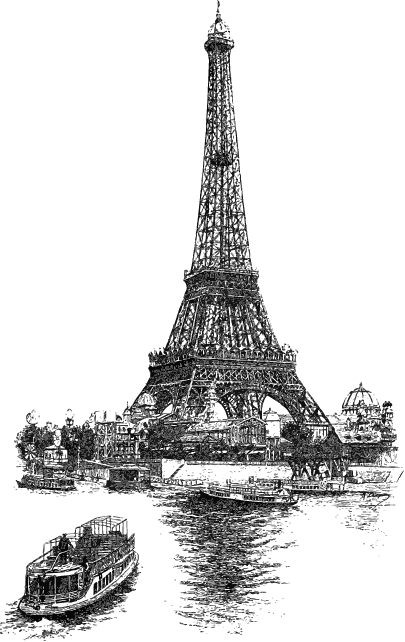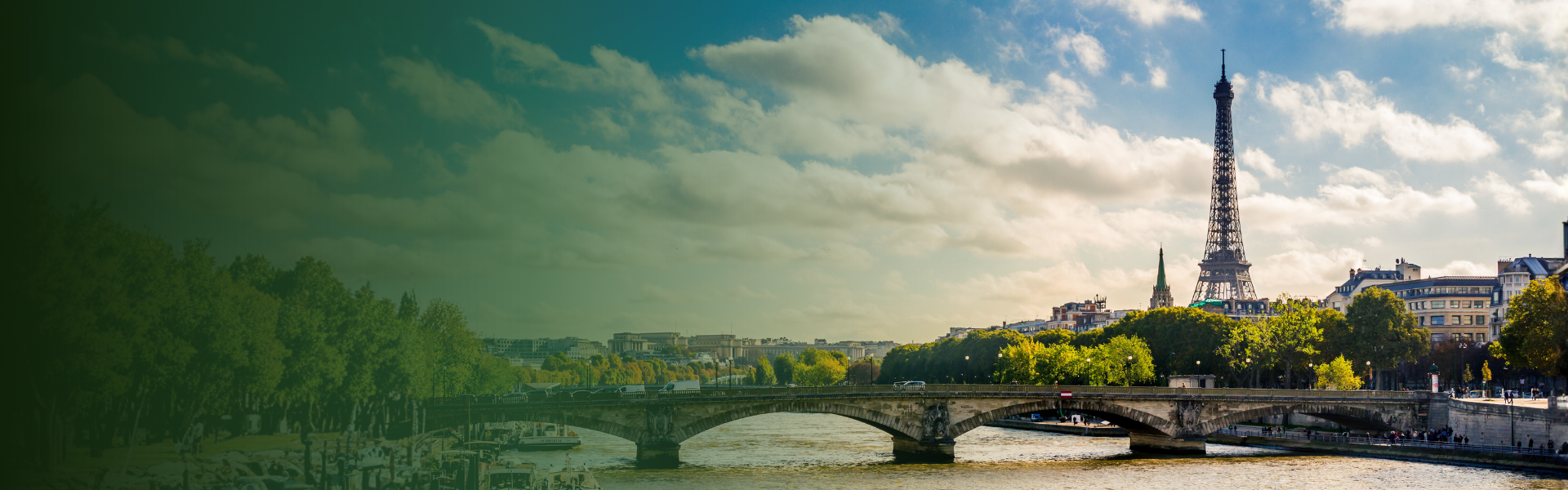

The Eiffel Tower is not only a symbol of Paris but also one of the most recognizable monuments in the world. Towering above the Paris skyline, this iconic structure welcomes millions of visitors every year who come to admire its architecture, learn about its fascinating past, and enjoy breathtaking views of the City of Light.
Learning about Eiffel Tower History Facts, including when it was built, why it was constructed, its Eiffel Tower Height, and Eiffel Tower Weight, helps visitors understand why this engineering masterpiece continues to captivate travelers more than a century after its completion. From a temporary exhibition structure to one of the world's most visited landmarks, the Eiffel Tower has an extraordinary story worth exploring.
The Eiffel Tower was built for the 1889 World's Fair (Exposition Universelle), which celebrated the 100th anniversary of the French Revolution. Designed by engineer Gustave Eiffel and his team, the tower was created to showcase France's technological innovation and industrial strength.
Construction began in 1887 and was completed in just over two years. At the time, the project was considered a remarkable engineering achievement because of its scale, complexity, and innovative use of iron. Although many Parisians initially criticized the design, the Eiffel Tower quickly became one of France's most beloved landmarks and eventually gained worldwide recognition.
There are countless fascinating Eiffel Tower History Facts that make this monument unique.
One interesting fact is that the tower was originally intended to stand for only 20 years. However, its usefulness for scientific experiments and radio communications helped save it from demolition.
Another fascinating detail is that Gustave Eiffel had a private apartment near the summit of the tower, where he entertained distinguished guests and conducted experiments. The tower has appeared in thousands of films, books, advertisements, and photographs, making it one of the most recognizable structures on Earth.
One of the most frequently searched questions about the monument concerns its Eiffel Tower Height.
Today, the Eiffel Tower Height reaches approximately 330 meters (1,083 feet), including its antennas. When it was completed in 1889, it stood at around 300 meters, making it the tallest man-made structure in the world at that time.
The tower held this record for more than 40 years until taller skyscrapers were built elsewhere. Because of thermal expansion, the Eiffel Tower Height can vary slightly throughout the year depending on temperature conditions.
Another remarkable aspect of the monument is its impressive Eiffel Tower Weight. The iron structure itself weighs approximately 7,300 tons, while the total Eiffel Tower Weight, including elevators, facilities, antennas, and equipment, exceeds 10,000 tons.
Despite its enormous size, the tower's open-lattice iron design efficiently distributes weight and helps withstand strong winds. This innovative engineering approach was considered revolutionary in the late nineteenth century and continues to impress engineers today.
Building the Eiffel Tower required extraordinary precision and planning.
More than 18,000 individual iron pieces were manufactured and assembled using approximately 2.5 million rivets. Hundreds of workers participated in the project, which was completed on schedule and maintained an impressive safety record for its time. The tower's design was carefully engineered to ensure stability while minimizing material usage, making it one of the greatest engineering achievements of the Industrial Revolution.
The popularity of the Eiffel Tower extends far beyond its appearance.
Visitors are drawn to the monument because of its rich history, architectural significance, and stunning views of Paris. It has become a symbol of romance, innovation, and French culture. Over the years, the tower has hosted international events, scientific experiments, radio transmissions, and celebrations that have strengthened its global reputation. Today, the Eiffel Tower remains one of the most visited paid monuments in the world.
Here are some lesser-known Eiffel Tower History Facts that surprise many travelers:

These fascinating details contribute to the monument's lasting popularity.
Since its completion, the Eiffel Tower has witnessed major historical events, technological advancements, and cultural changes. It survived two World Wars, became an important communications center, and evolved into one of the world's most famous tourist attractions.
Modern upgrades have introduced improved elevators, enhanced visitor experiences, digital exhibits, and sustainability initiatives while preserving the tower's historic character. This balance between preservation and innovation ensures future generations can continue enjoying this architectural masterpiece.
Exploring Eiffel Tower History Facts provides a deeper understanding of the monument beyond its appearance. Visitors who learn about its construction, engineering challenges, Eiffel Tower Height, and Eiffel Tower Weight often gain greater appreciation for the vision and expertise that made the tower possible.
Understanding its historical significance transforms a simple sightseeing experience into a meaningful journey through French history and engineering excellence.
The Eiffel Tower remains one of humanity's greatest architectural achievements. From fascinating Eiffel Tower History Facts to its impressive Eiffel Tower Height and remarkable Eiffel Tower Weight, every aspect of the monument tells a story of innovation, determination, and cultural significance.
Whether you're planning your first visit to Paris or simply exploring its rich history, learning about the Eiffel Tower helps reveal why it continues to inspire millions of people around the world.
Don’t wait, discover the magic today! Whether it’s history, tours, or unforgettable experiences, there’s something for everyone.